


Is Forex Trading Gambling? Understanding the Fine Line
Forex trading often raises a critical question: is it a form of gambling? This discussion is vital, especially for new traders drawn to the potential of quick profits. While both activities involve risk, the similarities and differences go deeper than one might think. is forex trading gambling Trading Platform PH can help you navigate this complex terrain, providing necessary tools and insights.
The Basics of Forex Trading
Forex, or foreign exchange, refers to the global market where currencies are traded. It operates 24/5, allowing traders to buy and sell currency pairs based on the fluctuating values of currencies. Traders can profit from both upward and downward movements of currency prices by leveraging their positions. Unlike gambling, which is typically based on chance, forex trading relies on market analysis, strategy, and risk management.
Understanding Gambling
On the other hand, gambling involves betting money on events with uncertain outcomes, tailored largely by chance. Games like poker, blackjack, and sports betting fall under this category. While skill can influence some outcomes, the inherent randomness often overshadows strategy. The primary objective is entertainment rather than making a consistent profit.
Key Differences Between Forex Trading and Gambling
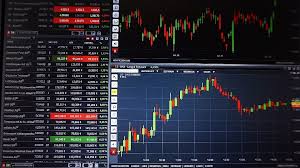
1. Skill vs. Chance
One of the biggest differences is the element of skill. Successful forex trading relies on knowledge of market dynamics, technical analysis, and a solid understanding of economic indicators. In contrast, gambling often relies on luck, with skill playing a secondary role for many games.
2. Strategy and Planning
Forex traders typically develop comprehensive strategies involving risk management, technical analysis, and fundamental analysis. This planning sets traders apart from gamblers, who may employ little more than a hunch or a gut feeling when placing bets.
3. Risk Management
Effective risk management is crucial in forex trading. Traders often use stop-loss orders and position sizing to mitigate potential losses. These tools allow them to manage risk effectively and avoid the fate common among gamblers, who often risk more than they can afford to lose.
Psychological Factors

The psychological aspect of trading must also be considered. Successful traders cultivate discipline, patience, and emotional regulation—qualities that help them make informed decisions rather than impulsive moves. Gamblers, on the other hand, often experience heightened emotions that can lead to poor decision-making, a phenomenon often referred to as “gamblers fallacy.”
The Role of Market Analysis
In forex, analysis is invaluable. Traders examine price movements, social sentiment, and economic conditions to predict future trends. They base their trades on data-driven insights, lending credibility to their actions. This methodical approach lacks in gambling, where actions may be more reflexive and less grounded in analysis.
The Gray Areas
However, the line between trading and gambling can become blurred in some situations. For example, retail forex traders who engage in high-frequency, speculative trading without a clear strategy could resemble gamblers. The use of excessive leverage can also exacerbate this resemblance, leading to significant risks that the trader may not fully comprehend.
The Importance of Education
Education is a critical component for anyone navigating the forex market. Just as one might take classes or do extensive research before gambling, prospective forex traders should engage in thorough learning about market behaviors, trading strategies, and risk management techniques. Online courses, forums, and trading platforms can provide invaluable resources for education.
Conclusion
In summary, while forex trading can exhibit qualities reminiscent of gambling—particularly when approached without a strategy—it primarily functions as an investment opportunity grounded in analysis, strategy, and risk management. Traders seeking success in forex should focus on building a strong foundation in market analysis and emotional discipline, transforming their approach into one of strategic investment rather than pure chance. Thus, while both realms do involve risk, the skill, research, and planning involved in forex trading significantly differentiate it from gambling.